Crown Hair Transplant
Crown Hair Transplant
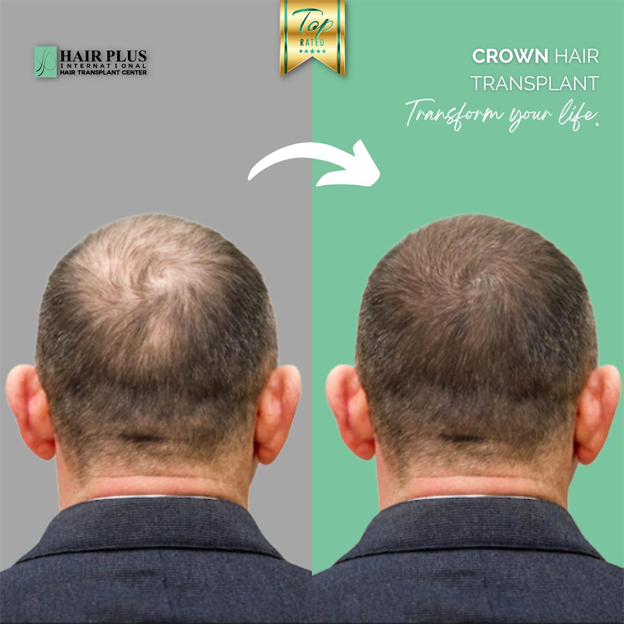
Achieve a fuller crown with our specialized crown hair transplant services. As the best crown hair transplant clinic, we offer top-tier care with the best crown hair transplant surgeons. Our clinic provides the best hair transplant for the crown area, ensuring exceptional crown hair transplant results. With a high crown hair transplant success rate, our crown hair transplant before and after transformations speak for themselves. Wondering if crown hair transplant is successful? Our experts deliver reliable outcomes with detailed crown hair transplant timelines.
We offer competitive crown hair transplant prices and transparent crown hair transplant costs. For those considering hair transplant for the crown area, learn why crown hair transplant fails and how our advanced techniques ensure lasting results. Explore our crown hair replacement options and trust our crown hair clinic for all your hair restoration needs.
Crown Hair Transplant
Request a Quote
What Causes Baldness of Hair Crown?
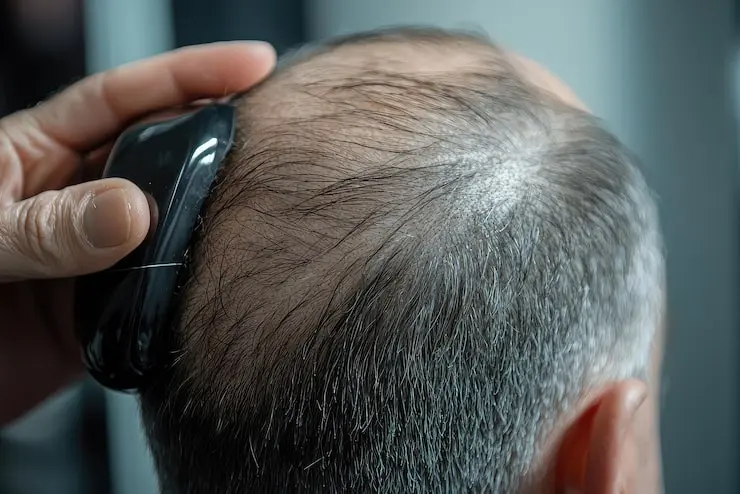
As a symptom of male pattern baldness, you may notice your hair becoming thin at your crown. This is because DHT targets not only the frontal hairs and the top of your head but also your crown area.
You might want to refer to the Norwood scale to get a better sense of how male pattern baldness can cause baldness of your hair crown. MPB affects every man differently. While some might experience a receding hairline, others are likely to struggle with excessive hair fall targeting the crown area.
In some instances, MPB can be rapid with frontal and crown hair thinning and loss affecting men as they reach the age of 25-30.
What is a Crown Hair Transplant?
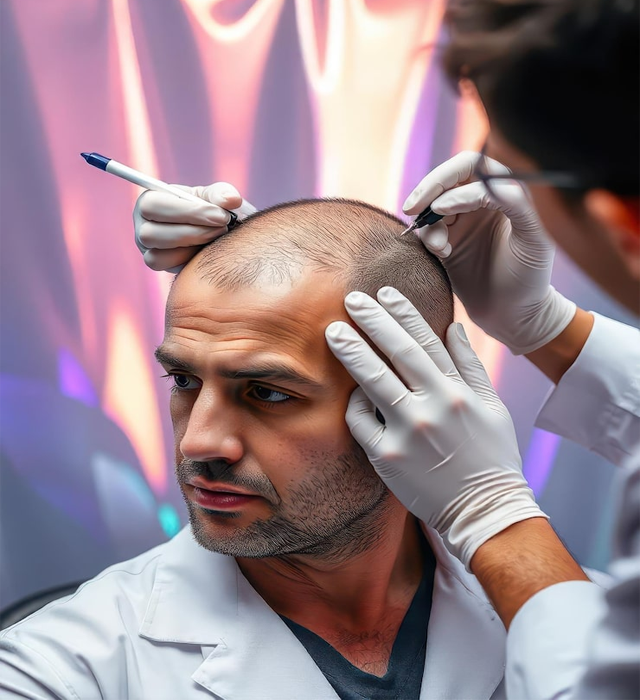
A crown hair transplant is an FUE Hair Transplant procedure that involves the surgical extraction of individual hair grafts from donor sites marked on the back and sides of your head and implanting those grafts into the affected crown area.
Over the next twelve to eighteen months that follow, these implanted grafts will grow and thicken to provide full coverage in the crown area.
At Hair Plus International, we understand that every client has varying degrees of balding, and it is this that usually determines the course of treatment required. For those dealing with thinning hair, a lighter course of PRP Treatment with mesotherapy may be recommended. While for those dealing with excessive hair fall and balding, an FUE or FUT hair transplant may be required.
How is the Crown Hair Transplant Performed?
Unlike hair transplant surgeries at the front of the head, CHTs require a lot more hair.
Your surgeon needs to carefully plan your procedure. As a typical crown hair transplant requires a higher number of grafts, you and your surgeon will need to take the following points into account:
- How much hair do you have on the back and sides of your head?
- How thin or thick are your hairs.
- The estimated number of grafts you require to achieve your desired look
- Whether or not your surgeon will split the procedure into two sessions
Cost of Crown Hair Transplant in Pakistan
At Hair Plus Rawalpindi , generally, the cost of crown hair transplant ranges between PKR 110,000/- to PKR 300,000/- However, the exact cost varies from client to client depending on the number of grafts that are to be implanted and the number of sessions you would have.
You can book your FREE consultation with our team to get a quote today.
Crown Hair Transplant (CHT) Aftercare
CHTs can be tricky to take care of once you have surgery. Because new grafts have been implanted into the crown area, sleeping at night can be challenging. You would be advised to sleep at an angle to make sure you protect your grafts in the first two weeks of your operation.
As the grafts are at the backside of your head where you can’t see them, you would want to be extra careful not to hit your head. Especially on the day of your operation.
At Hair Plus Rawalpindi , our team stands by your side throughout your hair transplant journey. Your surgeon can guide you better durring your consultation about the post-op care, follow-up visits, and the medications you have to follow.